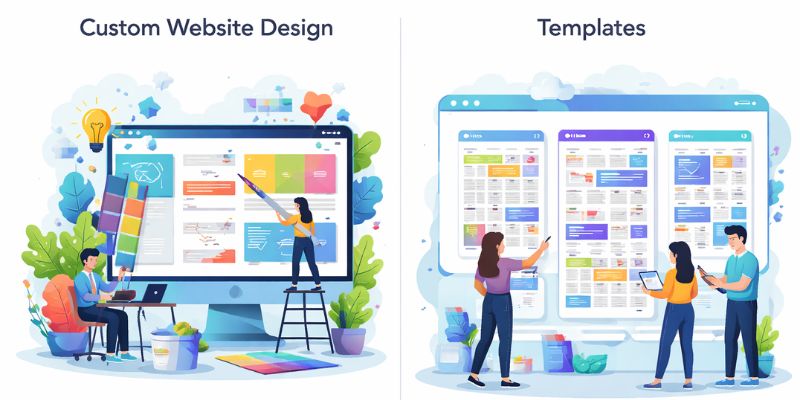
Choosing between Custom Website Design vs Templates has become one of the most confusing decisions for business owners planning a serious website in 2026. Many people Custom Website Designassume that a ready made template saves time and money, while others believe a custom built website offers better results. The truth sits deeper than looks or price. What truly matters is how a website influences visitor trust, attention span, usability, and action taking behaviour. This guide explains the real conversion factors behind both options in a simple and clear way, helping you understand what works for business growth and what holds it back.
How Website Design Influences Conversions in 2026
Website visitors now judge a business within seconds. Attention spans have shortened, expectations have risen, and patience for slow or confusing pages has dropped. A website is no longer just a visual presence. It acts as a silent salesperson working every hour.
Design choices shape how users move through pages, how safe they feel while sharing details, and how easily they reach a decision. Layout spacing, loading speed, message clarity, and mobile comfort all affect conversions. A website that feels familiar yet distinct often builds trust faster than one that looks generic or cluttered. Learn more
This is where the debate of Custom Website Design vs Templates becomes relevant. Both options serve different purposes, but their impact on conversion behaviour varies widely depending on business goals.
What Template Based Websites Offer and Where They Fall Short
Templates are pre designed website layouts that allow quick setup. They often come bundled with page builders and basic features. For individuals or hobby projects, templates may serve a purpose. For serious businesses, several issues appear over time.
Template designs follow a fixed structure. This means many websites end up looking similar. Visitors who browse multiple businesses in the same field often recognise these patterns, which can reduce trust. When a site looks familiar in an impersonal way, users feel less connected to the brand behind it.
Another issue lies in flexibility. Templates limit how content flows. Businesses must adjust their message to fit the design instead of the design supporting the message. This creates friction when explaining services, value, or processes clearly.
These problems fall under template website limitat
ions, which often affect conversion rates quietly. Businesses notice traffic but fail to see enquiries or sales rise.
Understanding Custom Website Design and Its Purpose
Custom website design focuses on building a site around a business goal rather than fitting into a ready structure. Every section exists for a reason, whether that reason is lead capture, enquiry generation, or product sales.
With custom web design for business, the user journey is planned carefully. Pages guide visitors step by step, answering questions before doubts arise. This planning improves clarity and reduces confusion, which often leads to higher conversions.
A major advantage appears in storytelling. Custom layouts allow brands to explain who they are, what they offer, and why they matter without forcing content into rigid blocks. This freedom supports better communication and stronger emotional connection.
These strengths define many custom website design benefits that templates struggle to offer.
Custom Website Design vs Templates for Conversion Focus
When comparing Custom Website Design vs Templates, conversion impact depends on control and intent. Templates focus on appearance first. Custom design focuses on action first.
Templates rely on generic call to action placements. Custom designs place action points exactly where users are ready to respond. This timing matters. Asking users to act too early or too late often results in drop offs.
Custom sites also allow testing and refinement. Businesses can adjust layouts, messages, and page order based on user behaviour. Templates restrict this process, which limits long term growth.
This comparison answers a common question asked by business owners: is custom website better than templates for business when growth matters. For most service driven and product focused companies, the answer becomes clear once conversion tracking begins.
Role of SEO Friendly Structure in Conversion Success
Search visibility brings visitors, but structure turns visitors into customers. A clean SEO-friendly website structure supports both search engines and human readers.
Custom websites allow structured content hierarchy, fast loading code, and clear navigation paths. These factors help pages rank and help users stay longer. Time spent on site often links directly to trust.
Templates often include unnecessary code, unused scripts, and bloated plugins. These slow down pages and confuse search crawlers. Slow loading times frustrate users and lower conversion chances.
Proper structure also supports internal linking and topical clarity, which improves discoverability without aggressive tactics.
Personalisation and User Experience in Modern Websites
Personalisation plays a growing role in conversions. Users expect websites to respond to their intent, device, and behaviour. Personalization in web design supports this expectation by adapting content flow and emphasis.
Custom websites allow deeper personalisation through dynamic sections, tailored messaging, and adaptive layouts. These elements make users feel understood rather than processed.
Templates offer limited personalisation. Changes often require workarounds that affect stability. Over time, these adjustments reduce performance and increase maintenance effort.
User comfort remains central to conversion growth, and custom design supports this comfort more naturally.
AI Influence on Website Design Decisions in 2026
AI driven tools now assist with layout suggestions, content placement, and performance optimisation. AI-optimized website design uses data patterns to improve engagement without replacing human judgement.
Custom websites integrate AI insights smoothly. Designers can apply suggestions without breaking design logic. This balance improves readability and interaction flow.
Templates struggle here because AI suggestions often conflict with fixed layouts. Adjustments feel forced and inconsistent, reducing the benefit of automation.
AI works best when paired with flexibility, which custom design offers by default.
WordPress Themes Versus Custom Builds
Many businesses compare custom website vs wordpress themes due to accessibility and popularity. WordPress themes operate like templates, even when modified.
Themes rely on plugins for added features. Each plugin increases risk of conflicts, speed loss, and security issues. Custom WordPress builds reduce this dependency by coding features directly.
Control over design and performance remains stronger in custom builds. This control supports stable growth rather than short term setup.
Trust, Branding, and Long Term Growth
Trust forms when a website feels intentional. Custom layouts convey effort and seriousness. Visitors sense when a business invests in clarity and usability.
Templates often give an impression of speed over care. While not always negative, this impression affects industries where trust matters, such as services, consulting, and high value products.
A strong brand presence grows through consistency. Custom design supports brand voice, spacing, tone, and visual rhythm better than templates.
Choosing the Right Website Design Partner
Working with professional website design services helps businesses avoid costly mistakes. Experienced teams focus on goals rather than trends.
A custom website design company in Mumbai like Site Invention understands business needs deeply, blending planning, usability, and performance into one build. Such companies prioritise results rather than surface appeal.
Many businesses searching for the Best Website Design Company in Mumbai often seek reliability, clarity, and long term value rather than flashy visuals.
Cost Considerations Without Misunderstanding Value
Templates seem affordable at first. Over time, costs rise through add ons, fixes, and redesigns. Custom websites require higher initial investment but reduce future expenses.
Conversion improvement often offsets build cost within months. A site that converts better needs less traffic to generate results.
Value lies in outcome, not starting price.
FAQ
Q1. What is the main difference between custom website design and templates?
Custom design builds pages around business goals, while templates force businesses to adjust content into fixed layouts.
Q2. Do templates affect conversion rates?
Templates often reduce conversion potential due to limited flexibility, slower speed, and generic structure.
Q3. Is custom website better than templates for business growth?
Yes, custom websites support clearer messaging, better trust, and smoother user journeys, which help growth.
Q4. How does SEO friendly website structure help conversions?
Clear structure improves readability, loading speed, and user comfort, leading to longer visits and higher action rates.
Q5. Can small businesses benefit from custom web design?
Small businesses benefit greatly because clear communication and trust building matter more when competition is strong.
Q6. Does AI optimized website design replace human designers?
AI supports decisions, but human planning remains essential for clarity, tone, and strategic flow.
Q7. Are WordPress themes enough for serious businesses?
Themes may work short term, but custom builds offer stronger control, performance, and reliability.